


31 Mar Understanding Credit Monitoring & Reports in South Africa
Your credit score and credit history play a significant role in nearly every major financial decision you make, from applying for a home loan to signing a cellphone contract.
Yet for many South Africans, these numbers remain a mystery until something goes wrong.
That’s why it’s important to understand how to monitor your credit report and track your score; it is an essential part of managing your finances and working toward long-term financial freedom.
What Is a Credit Report?
Your credit report is a detailed record of your financial history. It includes information about your accounts, repayment behaviour, outstanding balances, and any judgments or defaults listed against your name. In South Africa, credit bureaus such as TransUnion, Experian, and Compuscan compile this information and make it available to lenders, service providers, and consumers.
Lenders use your credit report to assess how likely you are to repay a loan or credit agreement. A strong credit history can open doors to better interest rates and higher credit limits, while a poor credit history can make it difficult to access credit when you need it most.
What Is a Credit Score?
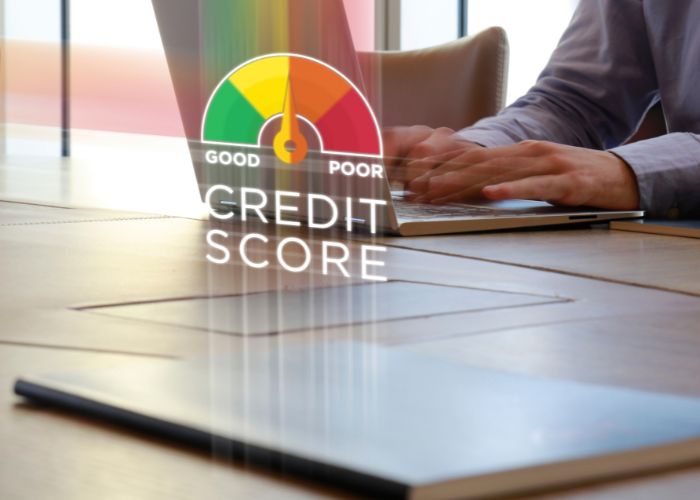
Your credit score is a numerical summary of the information contained in your credit report. In South Africa, scores typically range from 300 to 850. The higher your score, the lower the risk you pose to lenders. Your score is influenced by factors such as your payment history, the total amount of debt you owe, the length of your credit history, and the number of recent credit enquiries made against your profile.
It’s important to know your credit score because it is one of the first steps toward taking control of your finances. If you are not sure what your score currently looks like, you cando a free credit check to get a clear understanding of where you stand.
 Why Credit Monitoring Matters
Many South Africans only check their credit report when they have been declined for credit or when they suspect something is wrong. However, regular credit monitoring is an important financial habit that can help you:
- Spot errors or fraudulent accounts early
- Track your progress as you pay down debt
- Understand what factors are affecting your score
- Prepare for future credit applications
The National Credit Act gives every South African the right to access their credit report free of charge once a year from each registered credit bureau. However, more frequent monitoring is strongly recommended, especially if you are under debt review or working to improve your financial standing.
How to Read Your Credit Report
When you access your credit report, you will typically see the following sections:
- Personal Information: Your name, ID number, and contact details as recorded by the bureau.
- Account Summary: A breakdown of all your credit accounts, including home loans, vehicle finance, credit cards, and store accounts.
- Payment History: A record of whether you have made payments on time, late, or missed them entirely. This is one of the most important sections, as it heavily influences your credit score.
- Enquiries: A list of all the entities that have recently requested your credit report. Too many hard enquiries in a short period can negatively affect your score.
- Adverse Listings: Any judgments, administration orders, or defaults listed against your name. If you are under debt review, this will also be noted here.
Common Credit Report Errors and How to Address Them
Credit report errors are more common than most people realise. A study referenced by the National Credit Regulator found that incorrect or outdated listings are among the most frequently reported consumer complaints in South Africa.
Common errors include accounts that belong to someone else, outdated negative listings that should have been removed, and incorrect personal information.
If you identify an error on your credit report, you have the right to dispute it directly with the relevant credit bureau. The bureau is then required to investigate and correct or remove the listing if the information is found to be inaccurate.
Improving Your Credit Score Over Time
Your credit score is not fixed; it changes as your financial behaviour changes. If your score is lower than you would like, there are practical steps you can take to improve it over time.
These include making all future payments on time, reducing your overall debt levels, avoiding unnecessary credit applications, and ensuring that any negative listings are removed once the relevant debt has been settled.
If you are currently overwhelmed by debt and finding it difficult to keep up with repayments, a debt review application may be a solution worth considering. Debt review is a legal process regulated under the National Credit Act that restructures your monthly repayments into a single, more affordable amount, while protecting your assets from legal action by creditors.
Take the First Step Today
Knowing where you stand financially is the foundation of any solid debt management plan. If you have not yet checked your credit score, access your free credit check here and take the first step toward financial clarity.
Stop Struggling
and take the first step to financial freedom